Background
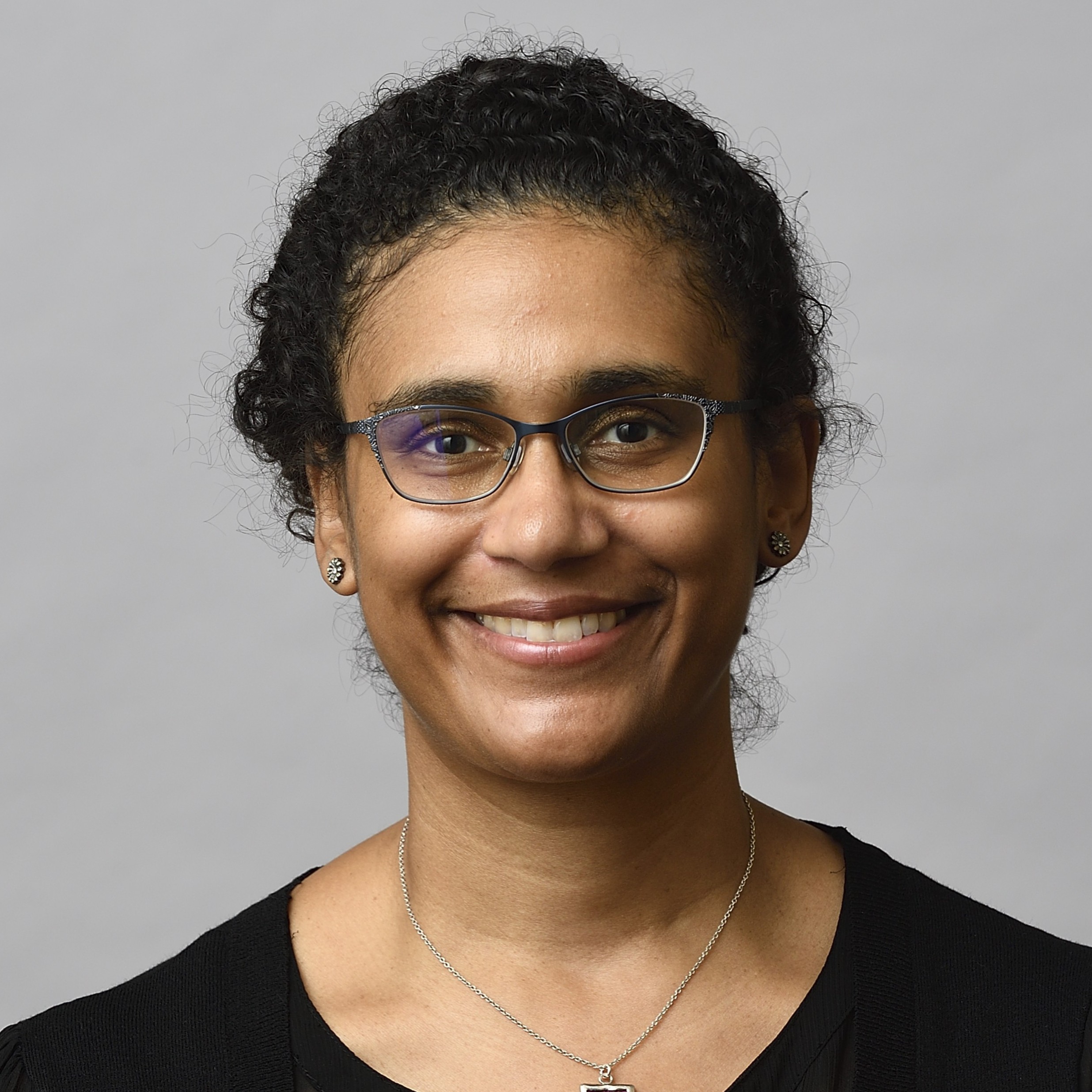
Dennice F. Gayme is a Professor in Mechanical Engineering at Johns Hopkins University. She received her B. Eng. & Society in Mechanical Engineering from McMaster University in 1997, an M.S. in Mechanical Engineering from the University of California at Berkeley in 1998, and her Ph.D. in Control and Dynamical Systems from the California Institute of Technology in 2010. Her research interests are in modeling, analysis and control of spatially distributed and large-scale networked systems, such as wind farms, wall-bounded shear flows, and power systems. She was a recipient of a JHU Catalyst Award in 2015, ONR Young Investigator and NSF CAREER awards in 2017, a Whiting School of Engineering Johns Hopkins Alumni Association Excellence in Teaching Award in 2020, and the Turbulence and Shear Flow Phenomena (TSFP12) Nobuhide Kasagi Award in 2022. She is a fellow of the American Physical Society (2024) and serves on the editorial boards of the Annual Review of Fluid Mechanics, Physical Review Fluids and PRX Energy.
Abstract
Abstract to be announced.
Background
Sina Ghaemi received his BSc in Aerospace Engineering from Sharif University of Technology, Iran, in 2006, his MSc in Mechanical Engineering from the University of Alberta, Canada, in 2009, and his PhD in Aerodynamics from Delft University of Technology, the Netherlands, in 2013. He then joined the Department of Mechanical Engineering at the University of Alberta as an Assistant Professor and was promoted to Associate Professor in 2019 and Full Professor in 2022. His broad research interests span measurement techniques, fundamentals of turbulent flows, active flow control, aerodynamics, and non-Newtonian fluids.
Abstract
This talk presents an active flow-control strategy that uses localized surface deformation to control large-scale turbulent structures in a turbulent boundary layer. The method combines a wall-mounted actuator with real-time flow sensing. The actuator is mounted flush with the wall and produces wall deformations with a flattened-Gaussian shape. These deformations generate flow perturbations that resemble very-large-scale motions (VLSMs). A real-time particle image velocimetry system detects the VLSMs upstream of the actuator. The measured streamwise velocity fluctuations are then used to drive the actuator. The first implementation used a constant-gain feedforward controller and attenuated the VLSMs at a downstream location. The strategy was later improved using data-driven methods. The results provide guidance for developing active surfaces for turbulence control and skin-friction reduction.
Background
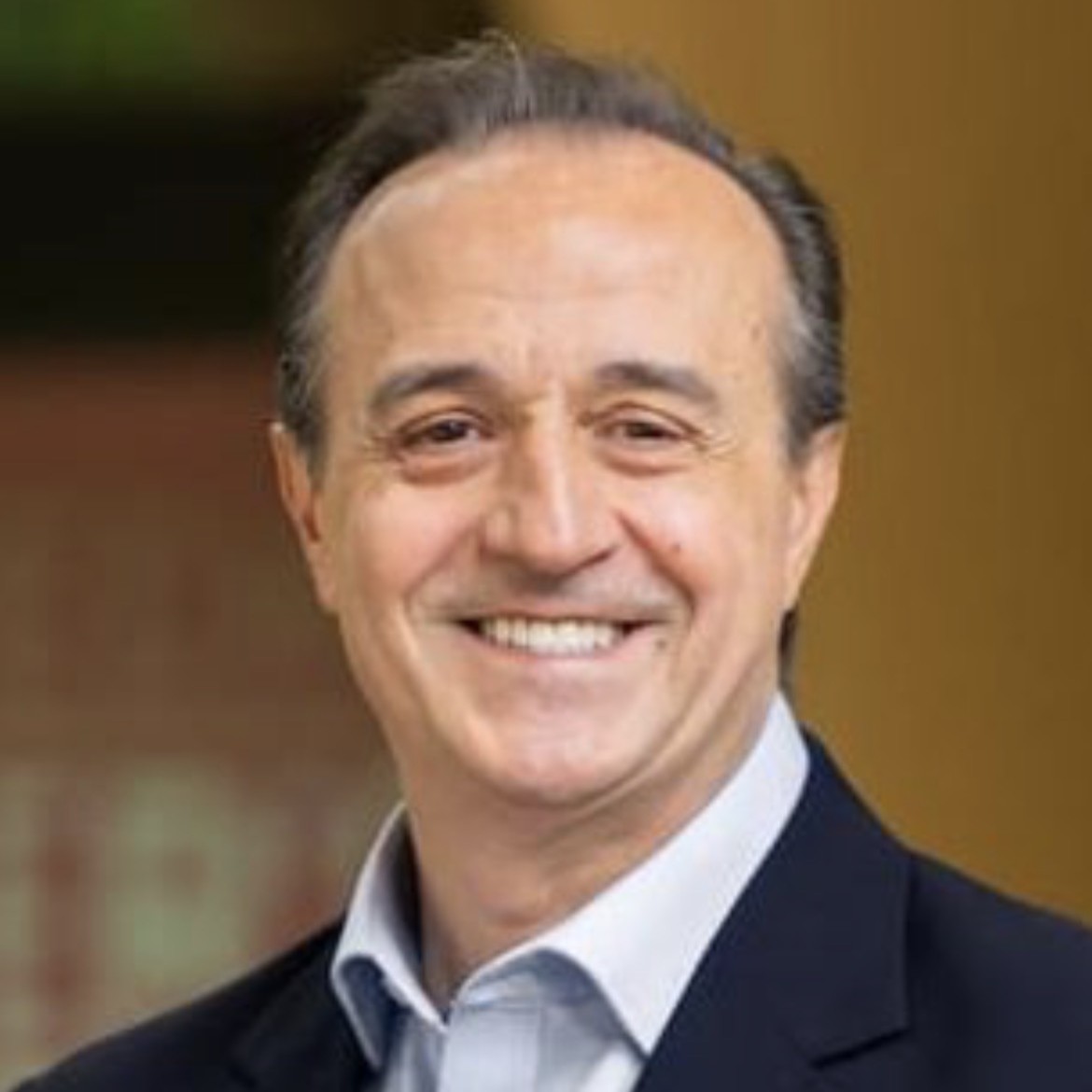
Jean-Pierre Hickey is an Associate Professor and Associate Chair, Graduate Studies, in the Department of Mechanical and Mechatronics Engineering at the University of Waterloo, where he leads the Multi-Physics Interaction Lab. His research focuses on complex multiphysics fluid problems in aerospace systems, particularly those involving strong coupling among thermodynamics, acoustics, chemical kinetics, and, inevitably, turbulence. He is co-chair of the NATO AVT-442 Research Task Group on nonequilibrium hypersonic turbulence and has contributed to other NATO working groups. Before joining the University of Waterloo, Professor Hickey was a research scientist in the Spacecraft Department at the German Aerospace Center (DLR) in Göttingen and a postdoctoral fellow at the Center for Turbulence Research at Stanford University. He received his PhD from the Royal Military College of Canada under the supervision of Professor Xiaohua Wu, his MSc from the Technical University of Darmstadt, and his bachelor’s degree from Polytechnique Montréal. In 2024, he was a visiting professor at CentraleSupélec in France.
Abstract
Heat and mass transfer in aerospace systems are characterized by interactions among turbulence, thermodynamics, chemical kinetics, multiphase transport, and surface conditions. This talk will explore three classes of problems relevant to aerospace flows: high-pressure supercritical flows, high-speed external flows, and transpiration-cooled boundary layer flows. Although these problems span different physical regimes, they share a common feature: heat and mass transfer fundamentally define the dynamics of these turbulent flows. In supercritical flows, steep variations in thermodynamic and transport properties reshape turbulent mixing and convective transport, even modifying the turbulent statistics. In high-speed external flows, non-adiabatic walls alter density, viscosity, and near-wall turbulence, with direct consequences for aerothermal loading. In transpiration cooling, the injection of coolant through a porous surface couples mass transfer, turbulence, and conjugate thermal transport. Across these three classes of problems, the talk will demonstrate how high-fidelity simulations can help explain and predict the coupled mechanisms governing aerospace propulsion and thermal-protection systems.
Background
Jiarong Hong is a Distinguished McKnight University Professor at the University of Minnesota. He served as founding CTO of Astrin Biosciences, Inc., a technology startup providing personalized cancer diagnostics and treatment solutions, and is co-founder and CTO of Particle4X, Inc., which specializes in AI-powered particle diagnostics. He received his B.S. from the University of Science and Technology of China in 2005 and his M.S. and Ph.D. from Johns Hopkins University in 2008 and 2011, respectively. Since joining the University of Minnesota faculty in 2012, he has developed novel flow-imaging techniques known as flowscopes, which reveal flow and particle motion at unprecedented spatial and temporal resolutions across disciplines. These techniques address fundamental questions in fluid dynamics and enable research in oceanography, agriculture, robotics and sensing, microbiology, medicine, and materials science. He has published more than 130 journal papers and holds 18 international and U.S. patents. His honors include the National Science Foundation CAREER Award and the Office of Naval Research Young Investigator Award. His research on wind energy, supercavitation, snow settling, drone swarms for wildfire characterization and monitoring, harmful algal bloom detection, COVID-19 transmission, and cancer diagnostics has received extensive international media and television coverage.
Abstract
Turbulence contains three-dimensional structures that remain difficult to access experimentally, particularly at dissipative scales and within the near-wall viscous sublayer. In this talk, I will discuss how digital holography can provide new measurements for fundamental turbulence research. First, I will present digital inline holographic vorticimetry using internally marked transparent tracers, which enables simultaneous Lagrangian measurements of three-dimensional velocity and vorticity near the Kolmogorov scale. These measurements reveal intermittent vortical structures and provide new insight into velocity–vorticity organization in turbulence. Second, I will discuss digital Fresnel reflection holography for resolving particle motions inside the viscous sublayer, where measurements reveal highly unsteady sublayer dynamics, including high- and low-speed flow patterns, spanwise meandering, acceleration intermittency, and localized U-shaped backflow events within (y⁺ ≤ 5). Together, these studies demonstrate how digital holography can uncover previously inaccessible small-scale and near-wall turbulent motions, opening new opportunities for discovery in fundamental turbulence research.
Background
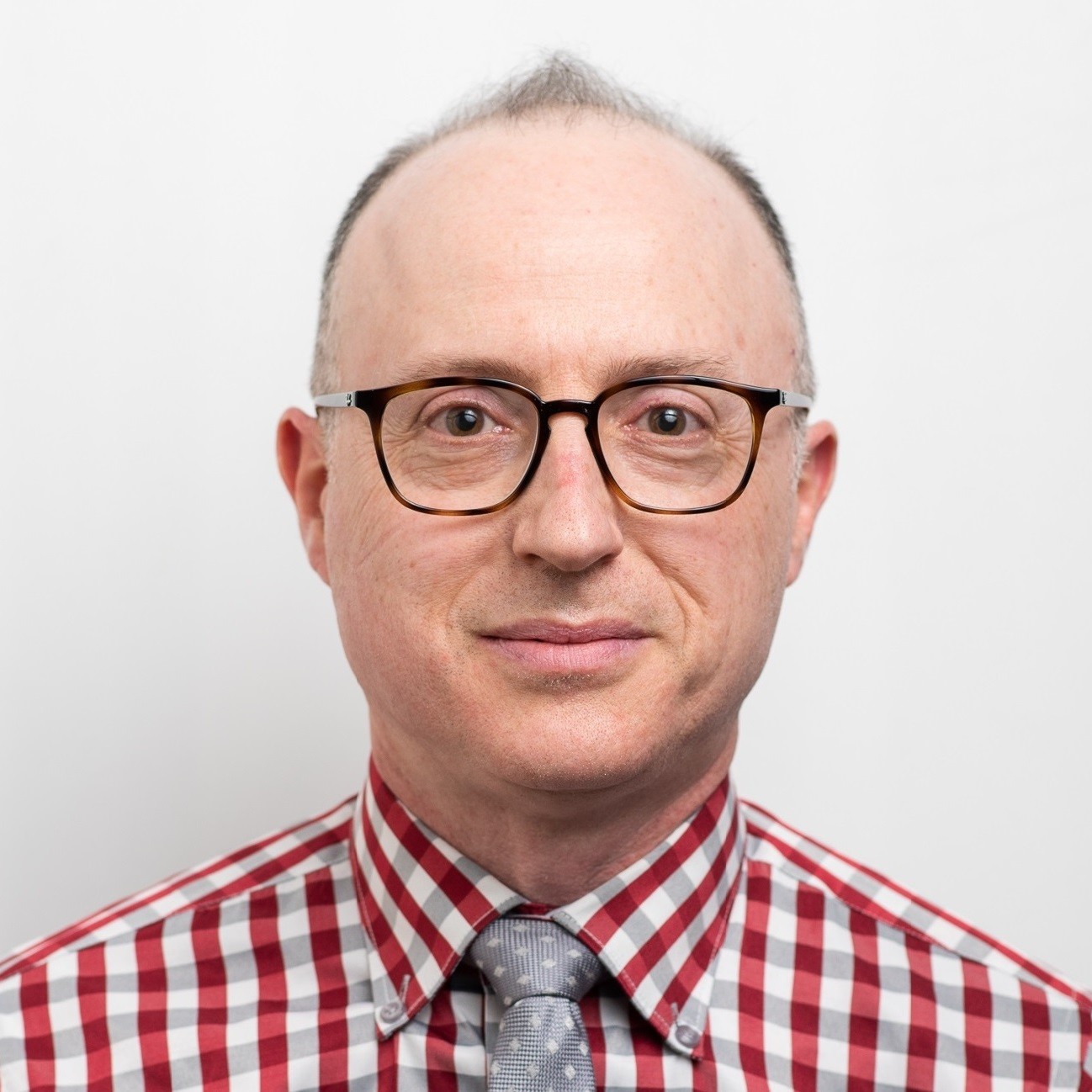
Carey Simonson is a Professor of Mechanical Engineering and former Dean and Associate Dean in the College of Engineering at the University of Saskatchewan (USask). He has PhD (1998), MSc (1993) and BE (1991) degrees in Mechanical Engineering from USask and has spent 7 years in Finland as a visiting professor at the University of Oulu and researcher at the Technical Research Centre of Finland. He is an Adjunct Professor at the University of Oulu and the Indian Institute of Technology Madras.
Professor Simonson is in the top 1% of the most-cited scientists in the world in the field of Buildings and Construction and has published over 300 peer-reviewed articles. He is an Associate Editor of the ASME Open Journal of Engineering and an editorial board member of Energy and Buildings. He has received several national and international awards for teaching, research and graduate student supervision such as: E.K. Campbell Award, ASHRAE Fellow, 2014 NSERC Synergy Award for Innovation, Finalist – 2018 GAGS Award for Outstanding Graduate Mentorship, USask Distinguished Graduate Supervisor Award, USask Distinguished Researcher Award, and USask Graduate Student Association Teaching Excellence Award.
Abstract
Buildings account for 35-40% of global energy consumption and greenhouse gas emissions, and there is a growing global effort to increase the adoption of electric heat pumps to reduce greenhouse gas emissions. However, frosting is a major problem for air-source heat pumps (ASHPs) in cold climates, and frosting can increase annual energy consumption by up to 35-40%. While it may be generally believed that frosting only happens in very cold climates, frosting has been found to be a problem for ASHPs when the outdoor air temperature is between +7°C to -15°C. These conditions occur in highly populated regions of North America and Europe, and some parts of Asia. This presentation will present research and development of a novel liquid-to-air membrane (LAMEE) which can be designed to create a frost-free heat pump in all climates. The frost-free heat pump is predicted to have, on average, a 50% higher coefficient of performance than a standard ASHP under conditions that typically lead to frosting, and annual energy savings as high as 35%.
Background
Christina Vanderwel is a Professor in the Department of Aeronautical and Astronautical Engineering at the University of Southampton, UK, where she leads research in experimental fluid mechanics, turbulent transport and scalar dispersion. She received her PhD from the University of Ottawa in 2014, investigating turbulent dispersion in uniformly sheared turbulence, and was awarded a Marie Skłodowska-Curie Fellowship in 2015 to study turbulent boundary layers over multiscale roughness. She currently holds a UKRI Future Leaders Fellowship (2020–2027) focused on using experiments to study the mechanisms of air pollution dispersion in complex urban environments. She serves on the committees of the UK Wind Engineering Society, the UK Fluids Network and the UK National Wind Tunnel Facility.
Abstract
Turbulent dispersion of scalars is fundamental to a wide range of fluid mechanics applications, including heat and mass transfer, environmental flows and pollutant transport. Despite its importance, predicting scalar transport in turbulent flows remains challenging due to the complex interactions between mean advection, turbulent mixing and flow structure. Engineering models often rely on simplified turbulence closure approaches, such as the turbulent diffusivity hypothesis, which may not adequately capture the anisotropic and spatially varying nature of scalar transport in complex flows.
This talk presents experimental studies of turbulent scalar dispersion using Particle Image Velocimetry (PIV) and Planar Laser-Induced Fluorescence (PLIF) measurements in the University of Southampton Recirculating Water Tunnel. These measurements provide simultaneous velocity and concentration fields within the same measurement plane, enabling direct evaluation of turbulent scalar fluxes and the mechanisms governing scalar transport. Results will be presented across a range of flow configurations, from canonical turbulent boundary layers to indoor and urban environments, demonstrating the influence of shear, separation, ventilation and geometry on turbulent mixing. The talk will also explore opportunities for combining high-resolution experimental datasets with data-driven approaches to improve modelling of scalar dispersion.
Background
Speaker information will be posted soon.
Abstract
Abstract to be announced.
Background
Gregory Kopp is a Distinguished University Professor at Western University where he also holds the ImpactWX Chair in Severe Storms Engineering and is the founding Director of the Canadian Severe Storms Laboratory. His research focuses on reducing damage from extreme windstorms through wind tunnel testing, full-scale experiments, and post-tornado forensic investigations. He is a leading researcher into both the fundamental and practical aspects of building aerodynamics, having pioneered methods for studying tornado effects on buildings and, more generally, the role of turbulence on the aerodynamic mechanisms. To support the translation of research into practice, he is actively involved in building codes and standards committees, serving on Canada’s National Building Code committees for Climate Change Adaptation and as Chair of the ASCE 49 Standards Committees on wind tunnel testing and procedures.
Abstract
Aerodynamic load coefficients for buildings are set by the vortices and flow features that result from flow separations at wall and roof edges and their subsequent reattachment onto building surfaces. Turbulence alters these significantly with separated-reattaching shear layers being controlled by atmospheric turbulence with scales on the order of 1 to 10 times the reattachment length. The usual aerodynamic mechanisms and turbulent processes associated with separated and reattaching flows are disrupted and controlled by interactions with the atmospheric turbulence at these “active” scales. While aerodynamic loading is well established for atmospheric boundary layer wind fields, they are less well understood for tornadoes, where the strongly swirling wind field in the vortex core alters the flow patterns. Of particular importance is that the scale and duration of passage of tornadoes past typical buildings is within the active range of scales, profoundly altering the aerodynamic loading. The paper will examine the current state of knowledge regarding these issues.
Background
Ivan Marusic is the Pro-Vice Chancellor (Research Infrastructure) and a Redmond Barry Distinguished Professor at the University of Melbourne. His research primarily involves experimental and theoretical studies of turbulence at high Reynolds numbers, including using atmospheric surface layer flows and large wind tunnel facilities. He is a recipient of the Stanley Corrsin Award from the American Physical Society and is a Fellow of the American Physical Society, Australasian Fluid Mechanics Society, Australian Academy of Technology and Engineering and the Australian Academy of Science. In 2024, he was elected a Fellow of the Royal Society.
Abstract
The logarithmic law for the mean velocity profile has long served as a cornerstone of wall-turbulence modelling, yet the universality of its constants remains debated for turbulent boundary layers subjected to pressure gradients. This talk presents an overview of recent progress on this problem, drawing on high-Reynolds-number experiments and modelling of adverse-pressure-gradient boundary layers in which the local pressure gradient and its upstream development are independently controlled. Results show that the von Kármán coefficient remains invariant across a range of conditions, while the additive constant and the extent of the logarithmic region depend systematically on both the local pressure gradient and its upstream history. These findings motivate a new composite mean velocity profile capable of capturing pressure-gradient effects across the boundary layer, along with an examination of the underlying flow structure, which reveals a competition between a universal wall-attached eddy hierarchy and an outer-scaled, wall-incoherent motion tied to the pressure gradient. Connections to the idealised sink-flow boundary layer — the theoretical benchmark for a "pure" wall flow — will also be discussed. Together, these results offer a broader picture of how pressure gradients shape both the scaling and structure of wall turbulence, pointing toward more physically grounded models for non-equilibrium wall flows.
Background
Laurent Mydlarski received an Honours Bachelor of Applied Science degree in Mechanical Engineering from the University of Waterloo (Canada). He subsequently obtained his doctorate in Mechanical Engineering from Cornell University (USA). He is presently a Full Professor in the Department of Mechanical Engineering at McGill University (Canada), which he joined upon completion of his doctoral studies, and where he carries out fundamental research on turbulent flows, with a focus on scalar mixing therein. He has also undertaken applied research on the cooling of both microelectronics and hydroelectric generators with multiple industrial partners. At McGill, Professor Mydlarski teaches courses in Fluid Mechanics, Heat Transfer, Thermodynamics, and Turbulence. He served as Associate Dean (Academic Programs) in the Faculty of Engineering from 2014-2020, during which he was responsible for academic, curricular, accreditation, and pedagogical matters. Professor Mydlarski has led the development of McGill University’s Bachelor of Global Engineering program, offered jointly with CentraleSupélec (France), and has served as the program’s Founding Director since 2022. He is an Associate Editor of Fluid Dynamics Research and a member of the Ordre des ingénieurs du Québec.
Abstract
A variety of natural and man-made processes rely upon the transfer of heat and/or mass within turbulent flows. Given that both heat and mass are scalar quantities, this process is often referred to as turbulent scalar mixing. To predict and/or control these phenomena, we must first be able to quantify the mixing of the scalars that underlie them. For this reason, turbulent scalar mixing has been the subject of research for many decades. However, multiple processes and phenomena involve the transport of more than one scalar, including atmospheric science (in which temperature and humidity are transported), oceanic science (temperature and salt), chemical reactors (multiple chemical species react to produce one or more chemical products), etc. Moreover, turbulent multiscalar mixing has been the subject of relatively few investigations. For this reason, the present talk will first review some of the literature on multiscalar mixing. Particular focus will be placed on the quantification of multiscalar mixing by way of mixing metrics, including how existing metrics – developed for the mixing of a single scalar – cannot fully describe the mixing of multiple scalars. To this end, a novel multiscalar mixing metric will be discussed and assessed using both experimental and numerical data in which multiple scalars are mixed in different turbulent flows.
Background
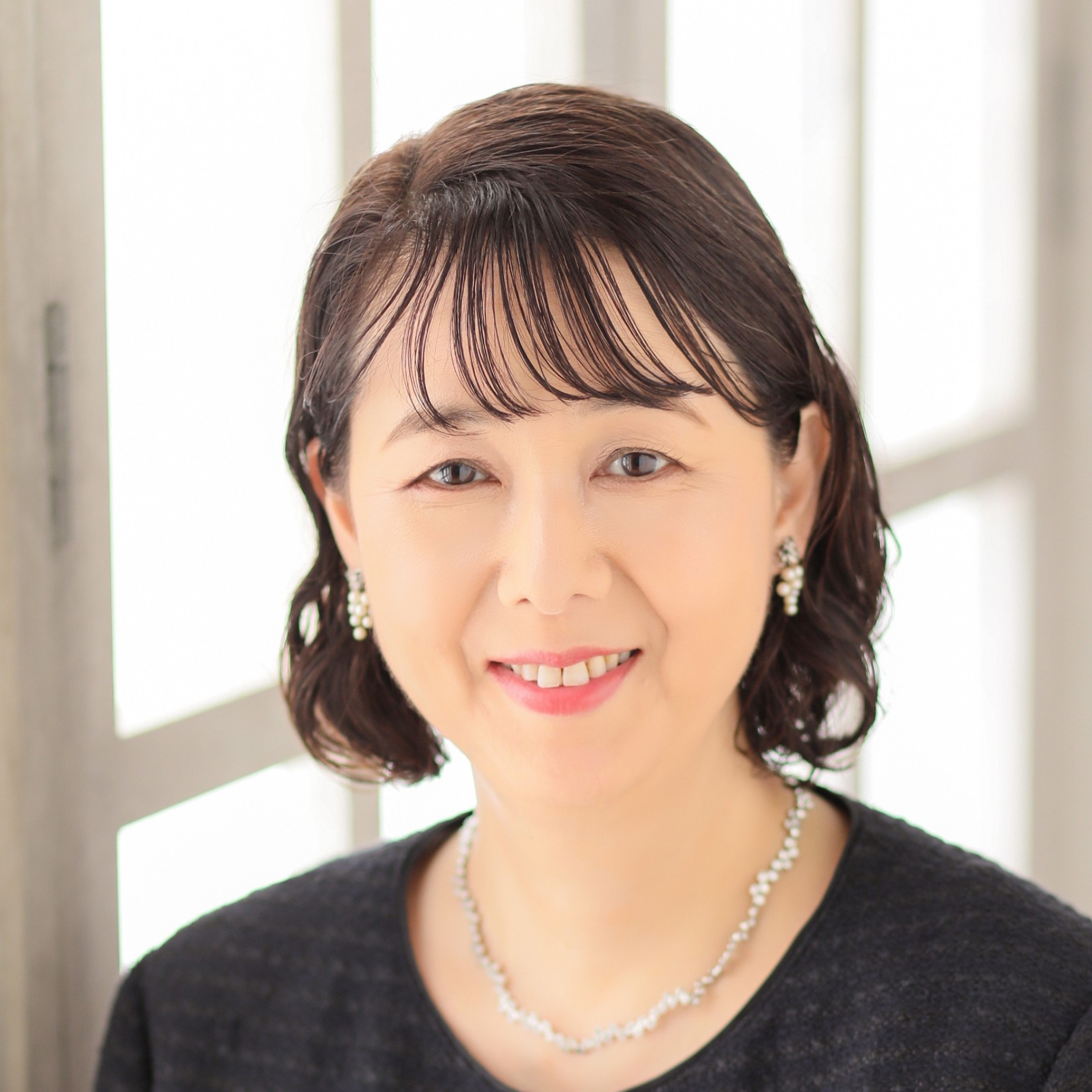
Naoko Tokugawa received her M.Eng. and Ph.D. in Engineering from Tokyo University of Agriculture and Technology, Japan. She is a Senior Researcher at the Japan Aerospace Exploration Agency (JAXA) and currently serves as an Advisor to the Director in the Aviation Technology Directorate. She is also a Visiting Professor at Aoyama Gakuin University, Gakushuin University, and Tokyo University of Science. Her research focuses on aerodynamics, particularly laminar flow technology, boundary-layer transition, and high-Reynolds-number experiments. She serves as a Director of both the Japan Society of Fluid Mechanics and the Japan Society for Aeronautical and Space Sciences.
Abstract
Abstract to be announced.
Background
Speaker information will be posted soon.
Abstract
Abstract to be announced.